


The content reflects the results of Perplexity's research and analysis and does not represent an expression of opinion by Gradido. They are intended to provide information and stimulate further discussion.
SOV (Sovereign): The world's first national digital currency of the Marshall Islands - A trial
The SOV (Sovereign) represents a pioneering attempt by the Republic of the Marshall Islands to establish a fully digital national currency. As World's first blockchain-based currency with official legal tender status SOV was intended to function as a second national currency alongside the US dollar, realizing revolutionary approaches to money creation, distribution and state financing. Although implementation is currently paused, the SOV project offers valuable insights into the future of national digital currencies and their potential and challenges.
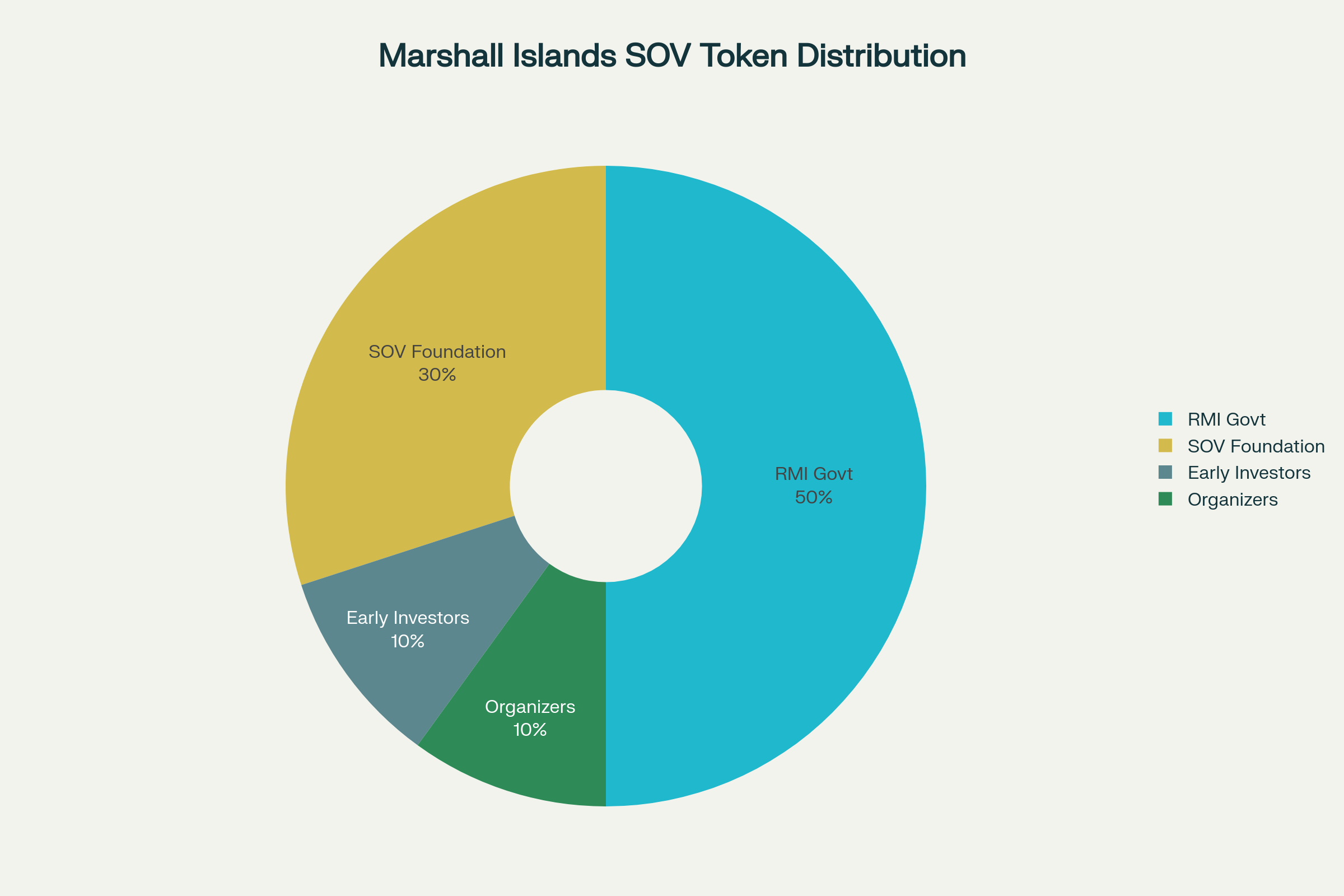
SOV (Sovereign) - The world's first national digital currency of the Marshall Islands: structure, distribution and current status
Legal framework and principles
The Sovereign Currency Act 2018
On February 26, 2018 the Parliament of the Marshall Islands adopted the "Declaration and Issuance of the Sovereign Currency Act 2018"the SOV as Full legal tender established. The legal text defines SOV as "digital decentralized currency based on blockchain technology"which are Ministry of Finance issued and for "all debts, public charges, taxes, and dues" can be used.^1
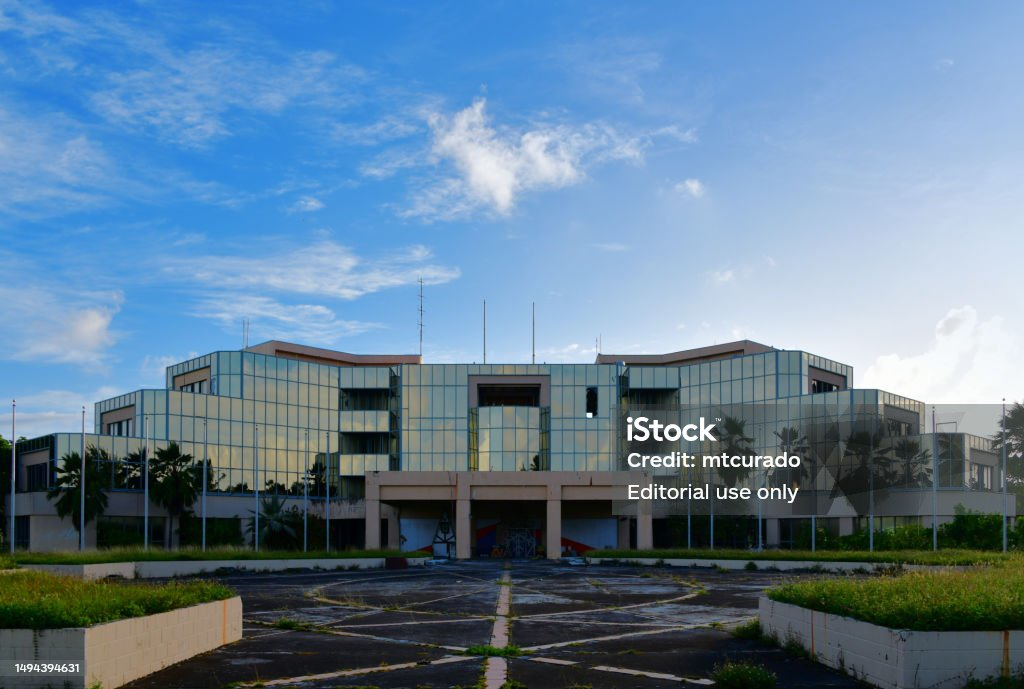
The Capitol Building of the Marshall Islands government in Majuro, central to the country's digital currency governance.
Central provisions of the SOV Act:
Legal Tender Status: SOV receives equal status with the US dollar
Non-redeemable: SOV is not redeemable or exchangeable for other currencies
KYC Requirements: All SOV users must Know Your Customer procedure run through
ICO Introduction: SOV is operated via a Initial Coin Offering introduced
Blockchain-based: Complete transparency through blockchain technology^2
Historical context and motivation
President Hilda C. Heine described the SOV introduction as "historic moment for our people, finally issuing and using our own currency, alongside the USD. It is another step of manifesting our national liberty". This statement illustrates the underlying motivations:^3
Economic sovereignty: After 40 years of US trusteeship (1946-1986) and continued dependence on the Compact of Free Association the Marshall Islands sought greater financial independence.^5
Climate financing: As the first country to be fully threatened by climate change, the Marshall Islands needs innovative sources of financing for Adaptation measures and resettlement.
Post-Compact preparation: From 2033, US payments will be significantly reduced, making alternative sources of income necessary.^6
Technical architecture and blockchain infrastructure
Algorand as a technology partner
In the March 2020 chose the Marshall Islands Algorand as a blockchain platform for SOV according to "extensive market research among the leading protocol options". Jim Wagner, CTO of SFB Technologies, justified the decision: "Algorand has the functionality required to issue, manage and distribute the SOV on a global level. This partnership ensures that the SOV will be built on a scalable and secure platform".^7
Algorand properties for SOV:
Pure Proof-of-Stake (PPoS): Energy-efficient consensus mechanism
Scalability: 1,000+ transactions per second
Finality: Immediate transaction confirmation without forks
Compliance integration: Native KYC/AML functionalities
ISO 20022 compatibility: Integration with global banking systems^9
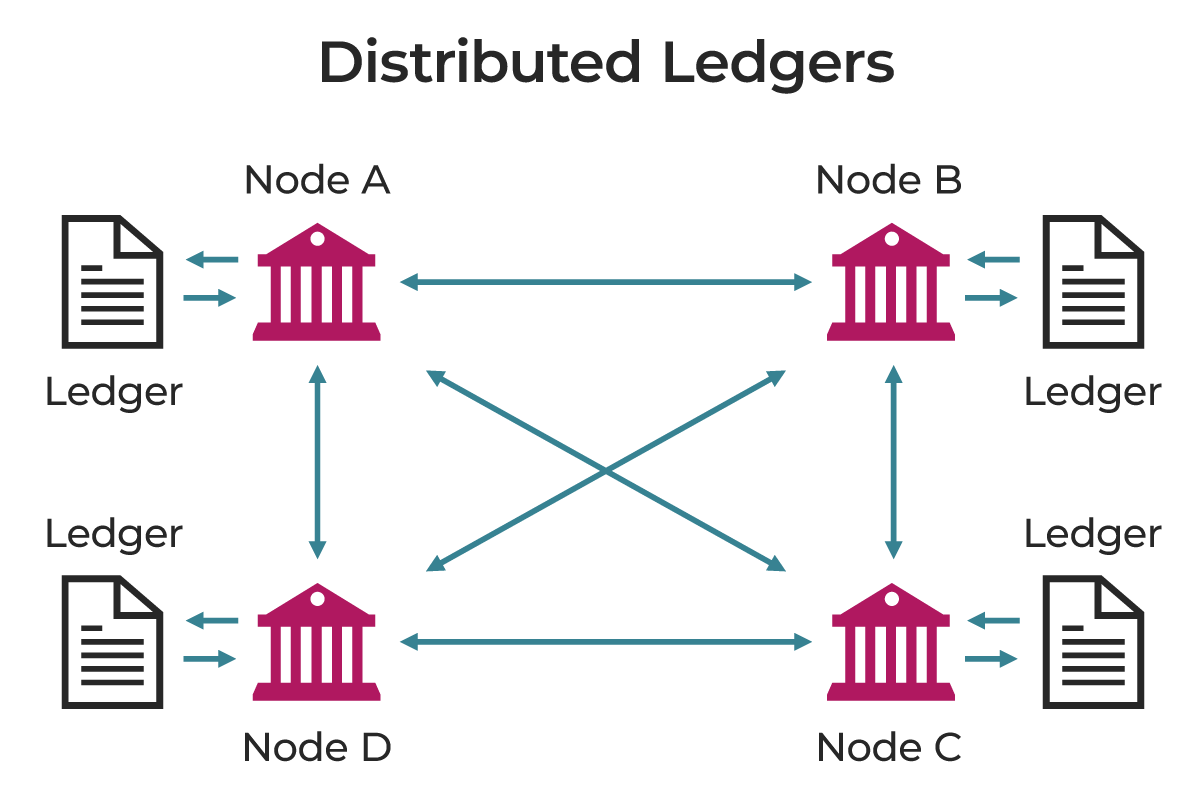
Diagram of a distributed ledger network showing nodes exchanging and synchronizing ledgers across a decentralized system.
Smart contract functionalities
SOV uses Algorand Smart Contracts for:
Automatic money creation: 4% Annual inflation rate algorithmically fixed
Distribution mechanisms: Automatic distribution of new SOVs to authorized users
Compliance enforcement: KYC verification directly integrated in the protocol
Cross-Border Transactions: Peer-to-peer transfers without intermediaries
Money creation and economic model
Revolutionary money creation approach
SOV implements a Algorithmically fixed inflation modelwhich redefines fundamental monetary principles:
Initial Supply: 24 million SOVs are created at launch^3 Annual inflation: Exact 4% per year, fixed in the code^7 Automatic distribution: New SOVs go directly to all SOV holdersnot to banks or governments^10
Justification for 4% inflation:
Sustainability: Prevents runaway inflation as with traditional currencies
Growth promotion: Sufficient for economic growth
Fairness: Equal distribution instead of privileged money creation^10
Distribution scheme of the initial 24 million SOV
The SOV Foundation published a detailed report in 2019 white paper with precise distribution structure:^6
Government share (50% = 12 million SOV):
National Trust Fund: 6 million SOV (50% of the government share)
Nuclear Legacy & Healthcare Fund: 2.4 million SOV (20%)
Resident Citizens Allocation: 2.4 million SOV (20%)
Green Climate Fund: 1.2 million SOV (10%)^6
Private sectors (50% = 12 million SOV):
SOV Development Foundation: 7.2 million SOV (30% of the total amount)
Early Investors: 2.4 million SOV (10%)
Appointed Organizers: 2.4 million SOV (10%)^6
Innovative financing approaches
Nuclear Legacy Fund: Unique worldwide - 2.4 million SOV directly for nuclear test victims and their descendants. This creates a direct link between historical injustice and innovative compensation.
Climate Fund: 1.2 million SOV for climate adaptation - first national currency with a built-in climate fund.
Citizen Allocation: Direct distribution to all residents over 5 years - an early Universal Basic Income model.
KYC/AML integration
Unlike anonymous cryptocurrencies, SOV requires complete identity verification:
Government-verified identities for all users
Encrypted storage of the identity data on the blockchain
Privacy protection despite compliance requirements^2
Implementation status and challenges
Development over time and milestones
2018: Sovereign Currency Act passed 2019: SOV Foundation established, white paper published 2020: Algorand-Partnership, Advisory Board formed 2021: Planned ICO launch - postponed 2024: Implementation still on hold^13
IMF resistance and international criticism
September 2018: The International Monetary Fund (IMF) published a critical report with serious warnings:
"The macroeconomic and financial integrity risks associated with the SOV exceed the potential benefits. Staff has therefore recommended that the authorities seriously reconsider issuance of the SOV".^15
IMF main points of criticism:
Dual Currency Risks: Complex macroeconomic challenges
AML/CTF Compliance: Anti-money laundering and terrorist financing risks
Correspondent Banking: Risk of losing international banking relationships
Volatility: Price fluctuations could destabilize the economy^16
Current situation (2024/2025)
Implementation Pause: SOV introduction remains "on hold" despite multiple announcements^13
Stablecoin alternative: Marshall Islands are now exploring US dollar-backed stablecoin as a less risky option^16
Regulatory Challenges: "Substantial concerns over macroeconomic, financial stability, and financial integrity risks" Prevent launch^16
Political Survival: In 2018, President Heine survived a No-confidence vote regarding SOV with 16-16 votes^5
International classification and comparisons
Differences to other national digital currencies
SOV vs Central Bank Digital Currencies (CBDCs):
SOV is independent currencynon-digital representation of the US dollar
Decentralized character instead of central bank-controlled CBDC
Algorithmic money creation instead of discretionary monetary policy^17
SOV vs. Petro (Venezuela):
SOV has genuine legal tender statusPetro only limited acceptance
Market-based pricing instead of artificial oil binding
US-Alliantz instead of circumventing sanctions^11
Global context of digital currencies
Bahamas Sand Dollar: First CBDC launched, but only digital Bahamian dollars Nigeria eNaira: CBDC with limited adoption China DCEP: Pilot program for digital yuan El Salvador Bitcoin: Bitcoin as a legal tender, but not developed nationally
SOV remains unique as the first Self-developed, blockchain-native national currency with Legal tender status.
Lessons learned and future prospects
Findings from the SOV experiment
Positive aspects:
Technical feasibility: Algorand platform proved to be robust and scalable
Legal innovation: Successful legislature for digital currencies
International attention: Marshall Islands positioned as a fintech pioneer
Governance models: Innovative distribution mechanisms developed
Critical lessons:
International coordination is essential: Resistance from IMF and US Treasury fatal
Dual Currency Complexity: Macroeconomic risks difficult to manage
Implementation Gaps: Major hurdles from legislation to implementation
Risk vs. reward: Small countries less risk-tolerant for monetary experiments
Relevance for Gradido and alternative currency systems
SOV experiences provide valuable insights for gradido implementation:
Positive transferability:
Legislative preparatory work: Legal framework established for alternative currencies
Blockchain infrastructure: Algorand experience usable for Gradido
Compliance models: KYC/AML integration already designed
Community engagement: Experience with citizen participation
Risk mitigation for Gradido:
International voting: Early IMF/US coordination required
Gradual rollout: Pilot projects instead of full-scale launches
Complementary instead of competing Positioning against the US dollar
Clear value proposition: Concrete benefits for all stakeholders
Potential SOV reactivation
Favorable developments for SOV revival:
Algorand maturing: More stable and proven blockchain platform
Regulatory Clarity: Clearer international standards for digital currencies
CBDC Precedents: Other countries have successfully introduced digital currencies
Climate Urgency: Growing pressure for innovative climate financing
Hybrid approach as a compromise:
Stablecoin phase: Start with US dollar-backed stablecoin
Gradual transition: Step-by-step development towards algorithmically controlled SOV
Pilot implementation: Beginning on individual atolls nationally
International Coordination: Close coordination with IMF and US Treasury
Conclusions and outlook
The SOV (Sovereign) of the Marshall Islands represents a visionary but pragmatically failed attemptto revolutionize the future of money. As World's first blockchain-based national currency with complete Legal tender status SOV would have set new standards for algorithmic monetary policy, fair distribution mechanisms and climate-finance integration set.
The technical infrastructure through Algorand proved to be robust and sustainable. The governance structures and compliance mechanisms have been innovatively developed. The legal frameworks created precedents for digital currencies worldwide.
The failure was not due to technical defectsbut in international political realities. The Resistance from IMF and US Treasury illustrates the limits of monetary sovereignty for small states in the global financial system.
For future projects such as Gradido SOV offers both Inspiration as well as warning:
Innovation is possiblebut requires international coordination
Blockchain technology is mature for national currencies
Alternative economic models find political and technical support
Gradual approach promises more success than revolutionary disruption
The Marshall Islands remain pioneers for Digital monetary innovation. Your SOV experiences pave the way for Gradido and others Monetary systems oriented towards the common good. With the right Partnerships, regulatory coordination and step-by-step implementation this could Bikini Peace Project benefit from the SOV lessons and become more successful alternative economic models realize.
SOV was not the end, but the beginning a new era democratic and sustainable money creation. <span style="“display:none“">^20^22^24^26^28</span>